Contents
Exhibitions
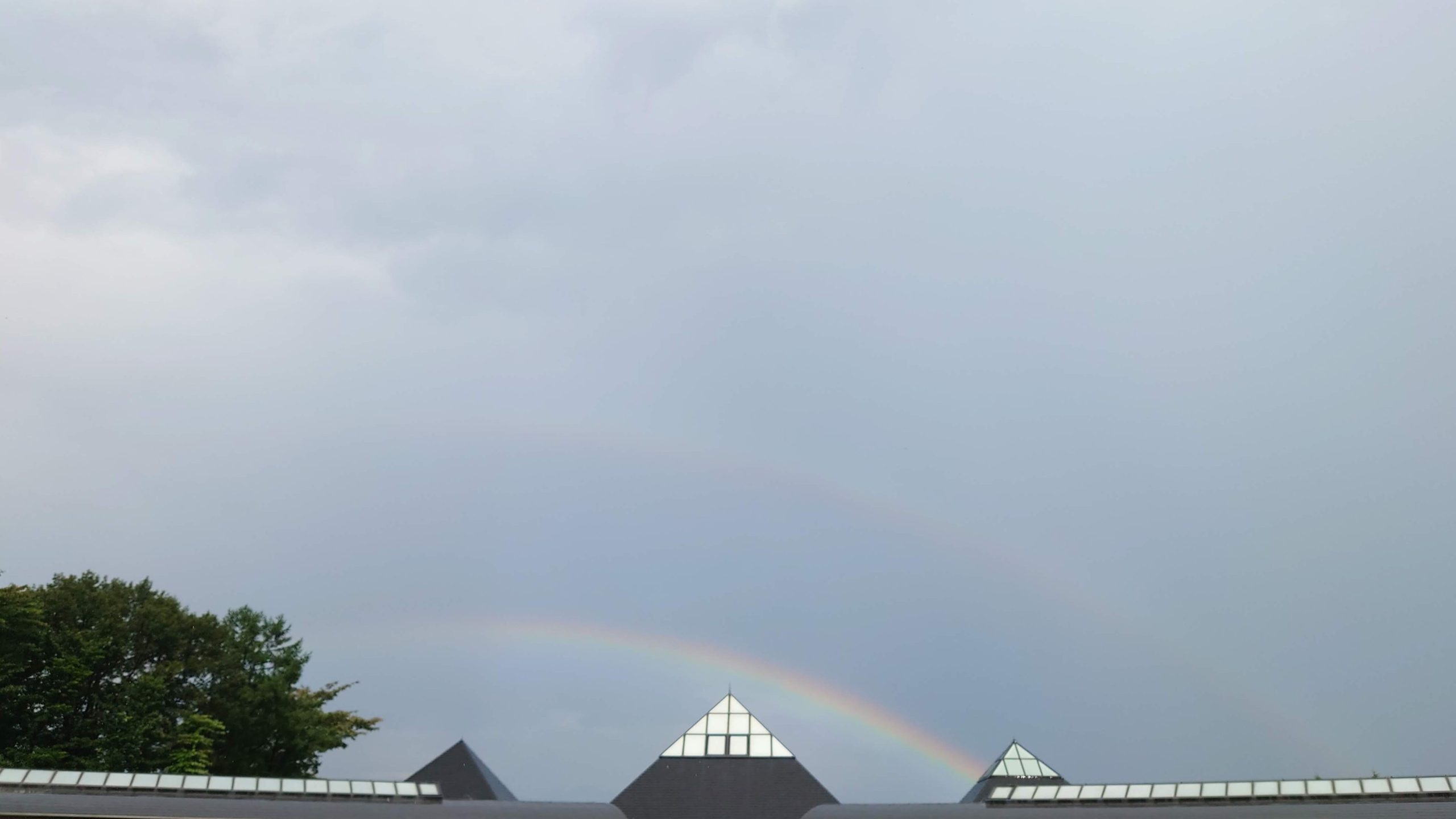
How to Make a Rainbow
Dates : March 14 (Saturday) – September 6 (Sunday), 2026
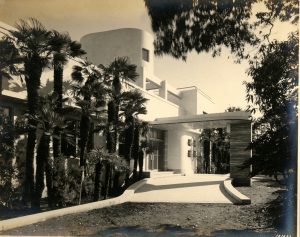
In 1979, in a quiet residential area of Shinagawa, Tokyo, the Hara Museum of Contemporary Art opened its doors. Ensconced within an enclave of rich greenery, the modernist building—formerly the residence of the Hara family–became the stage for the museum’s activities. The founder, Toshio Hara, captivated by contemporary art, began building his collection in the mid-1970s, guided by a personal aesthetic. By seeking out artists directly and building personal relationships, he assembled a collection that is unique in the world.
This exhibition, How to Make a Rainbow, focuses on the museum’s activities from 1979 to 1989. During this period, which we refer to as the museum’s “founding period,” the Hara Museum played a pioneering role in the development of contemporary art in Japan. The museum hosted solo exhibitions of internationally renowned artists and launched a series of ambitious group exhibitions called the Hara Annual (1980–1990, ten iterations, 97 participating artists), which provided opportunities for young Japanese artists to show their work. Permanent installations by artists such as Jean-Pierre Raynaud and Tatsuo Miyajima that made distinctive use of the former private residence became a defining feature of the museum.
In 1988, as the scale of contemporary artworks continued to grow, the museum opened an annex in Shibukawa, Gunma prefecture. This was Hara Museum ARC, which continues today.
The foundation that operates the museum is named “Arc-en Ciel,“ meaning “rainbow” in French. The current name, Hara Museum ARC, takes “ARC” from this spelling. The museum has always aimed to be a bridge – connecting people across races and borders through art. We will trace this guiding vision over the next three years starting with How to Make a Rainbow which provides an overview of the path established by the original Hara Museum. This will be followed by two more exhibitions, each held during the spring/summer seasons. Through carefully selected works from the collection, these exhibitions will cover the museum’s period of expansion and subsequent integration into a single venue.
Note: Jean-Pierre Raynaud’s L’Espace Zero is now housed in the Open-view Storage at Hara Museum ARC, and Tatsuo Miyajima’s Time Link has been relocated to Gallery B.
Exhibition Structure
This exhibition explores three vectors that distinguish the founding period, with an entire gallery devoted to each: The Making of a Collection, Bringing Contemporary Art to Japan and Cultivating Native Talent.
1. The Making of a Collection (Gallery C)
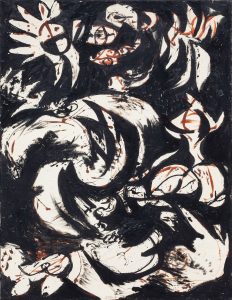
The Hara Museum would not have been the force it became without its permanent collection. From the mid-1970s, Toshio Hara pursued the accumulation of works, often meeting artists in person and acquiring pieces through direct negotiation. Gallery C presents works from this one-of-a-kind collection built from a singular perspective.
Featured Artists
Karel Appel , Arman, Peter Klasen, Tetsumi Kudo, Tomio Miki, Jacques Monory, Kenneth C. Noland, Nam June Paik, Jackson Pollock, James Rosenquist, Ushio Shinohara, Lee Ufan, Tom Wesselmann
2. Bringing Contemporary Art to Japan (Gallery B)
When the Hara Museum opened in 1979, Japan had few institutions dedicated to contemporary art. The Hara Museum strove to become a place where art lovers could enjoy direct encounters with contemporary art, artists and art professionals. Gallery B features works by internationally recognized artists such as Christo, Robert Mapplethorpe and Jean-Pierre Raynaud who held solo exhibitions at the museum during these years.
Featured Artists
Christo, Toshimitsu Imaï, Piotr Kowalski, Robert Mapplethorpe, Robert Rauschenberg, Jean-Pierre Raynaud, Keith Sonnier
3. Cultivating Native Talent/The Artists of the Hara Annual (Gallery A)
One of the museum’s most important missions was the promotion of contemporary art by young artists in Japan. This was represented by the Hara Annual series of ambitious group exhibitions that gave young artists a platform to present their work. From 1980 to 1990, across 10 iterations, 97 artists participated, many of whom went on to establish significant careers. Gallery A presents works by 11 of these artists.
Featured Artists
Toshikatsu Endo, Shigeru Idei, Emiko Kasahara, Naomi Kikutani, Susumu Koshimizu, Kazumi Nakamura, Susumu Sakaguchi, Kousaku Shibata, Motoki Suda, Yumiko Sugano, Katsuro Yoshida
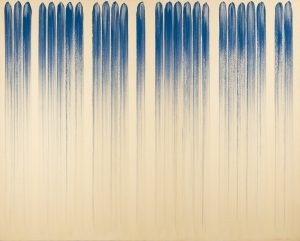
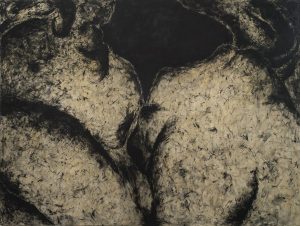
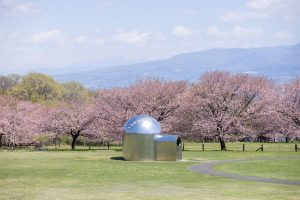
Permanent Installations/Outdoor Installations
Olafur Eliasson, Sunspace for Shibukawa / Yayoi Kusama, Mirror Room (Pumpkin) / Sol Lewitt, Incomplete Cube/ Kimiyo Mishima, Newspaper-84-E / Tatsuo Miyajima, Time Link / Yasumasa Morimura, Rondo (Twins) / Yoshitomo Nara, My Drawing Room / Jean-Michel Othoniel, Kokoro / Yasuhiro Suzuki, Bench of the Japanese Archipelago / Tabaimo, Midnight Sea / Lee Ufan, Relatum / Andy Warhol, Campbell’s Tomato Soup and others
Related Events (slated)
Guided Tour for Members of the Press
Wednesday, March 18, 2026, 11:00 am (approx. 60 min.)
Guided Tour of the Exhibition How to Make a Rainbow (Participation Fee Required)
Spring Session: Saturday, April 11, 2026, 10:30 am (approx. 60 min.)
Rainy Season Session: Saturday, June 13, 2026, 10:30 am (approx. 60 min.)
Summer Session: Saturday, August 8, 2026, 10:30 am (approx. 60 min.)
This guided tour will be led by the exhibition curator. All participants will have the opportunity to view Jean-Pierre Reynaud’s L’Espace Zero, previously on permanent display at the Hara Museum of Contemporary Art in Shinagawa, but now housed in the Open-view Storage (a space normally closed to the public).
*Details will be posted on the museum website’s “Events” page.
*These events will be held in Japanese only.
Press Release
How to Make a Rainbow
- Title
How to Make a Rainbow
- Dates
March 14 (Saturday) – September 6 (Sunday), 2026
- Organized by
Hara Museum ARC
- Venue
Contemporary Art Galleries A, B and C
- Hours
9:30 am – 4:30 pm (last entry at 4:00 pm)
- Closed
Thursdays (except during the month of August)
- Admission
General 1,800 yen / Seniors (70 or above) 1,500 yen / Students 1,000 yen (high school and university) or 800 yen (elementary and junior high)
*Free for Hara Museum ARC members / Free for elementary and junior high school students in Gunma prefecture on Saturdays when school is in session.
*For advance online tickets (date-specific), go to https://e-tix.jp/haramuseum_arc/
Concurrent Exhibition
Masako Ando: Ordinary Days
Fourteen years have passed since Masako Ando’s Garden of the Belly Button (2012), a solo exhibition of pencil drawings and oil paintings at the Hara Museum of Contemporary Art in Tokyo. This exhibition provides a glimpse into the artist’s most recent work.
For details, go here.